
While RVA Pro Painters offers a comprehensive 15-Step Process for all their painting projects, the key to making the exterior brick painting job “easiest” for the homeowner (and ensuring a long-lasting result) is in the materials and methods used for that specific surface.
Based on industry best practices and professional painter guides, here is how the easiest and most successful process for painting brick, especially exterior surfaces, is executed. This exterior brick painting guide is designed for optimal results.
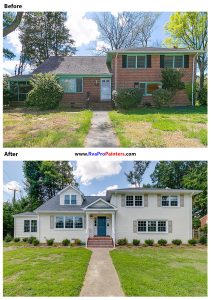
🚀 The Easiest Way: Professional Spraying and Back-Rolling
The fastest and most efficient application method for a highly textured surface like brick is to use an airless paint sprayer combined with a technique called back-rolling. This technique is crucial for successful exterior brick painting, ensuring even coverage.
1. Preparation (The Critical Step)
For any professional, this is the most important part, even though it’s the most time-consuming. Skipping this step is what causes paint to fail on brick.
-
Thorough Cleaning: The brick must be cleaned to remove dirt, mildew, and especially efflorescence (white salt deposits). RVA Pro Painters emphasizes washing as needed to ensure proper adhesion. For exterior brick painting preparation, this is usually done with a power washer.
-
Complete Drying: Brick is highly porous and holds moisture. Professionals ensure the brick is completely dry (often 2-3 days, sometimes longer) before applying any product to prevent trapped moisture from causing the paint to blister or peel later.
-
Protection: All windows, trim, doors, landscaping, and adjacent surfaces are meticulously protected with drop cloths, tape, and plastic sheeting to guard against spatter and overspray—a necessity when undertaking exterior brick painting with a sprayer.
-
Repairs: Cracks and holes are caulked and filled to create a smooth, clean surface (part of the caulking and filling step in RVA’s 15-step process).
2. Priming (The “Must-Do” Step)
Brick is alkaline, which can “burn” standard paint, causing color change and peeling in exterior brick applications.
-
The Right Product: A professional will use a high-quality, specialized alkali-resistant masonry primer/sealer (such as Sherwin-Williams Loxon® products are often cited by pros) to seal the porous surface and block alkalinity.
-
Application: The primer is often applied using a sprayer for quick coverage, followed immediately by back-rolling to ensure the primer is physically pushed into every pore and mortar joint for maximum adhesion.
3. Painting (The Fastest Step)
This is where the speed of professional work comes in, especially for exterior brick surfaces.
-
Spraying: The finish coat of high-quality acrylic-latex masonry paint (or a mineral-based paint for higher breathability) is quickly applied with an airless sprayer, which provides excellent, thick coverage in a short amount of time.
-
Back-Rolling: Immediately after the paint is sprayed, a crew member uses a thick-nap roller (1/2-inch to 1-inch nap) to roll over the wet paint. This is vital to push the paint deep into the texture of the brick and mortar lines, creating a uniform finish and ensuring a durable bond.
-
Coats: Two coats of the finish paint are typically applied after the primer.
The easiest way for you is to let the pros, like RVA Pro Painters, handle the preparation and specialized application (spraying and back-rolling) required for exterior brick painting. This avoids the extensive labor and technical risk of doing it yourself.
Would you be interested in learning about Romabio Limewash, which is an alternative technique to traditional paint for a more breathable, classic finish on brick?
Click Here for Same Day Estimate